

Understanding the Video Production Workflow: A Deep Dive into Crafting Visual Stories
When it comes to creating compelling video content that resonates with audiences and elevates brand presence, understanding the video production workflow is absolutely essential. Whether you're aiming to produce a captivating commercial, a dynamic corporate video, or a high-impact sports highlight reel, knowing how the process unfolds can make all the difference. So, let's unpack this fascinating journey from concept to screen and explore how each step contributes to the final masterpiece.
The Video Production Workflow: From Idea to Screen
Video production is much more than just hitting the record button. It’s a carefully orchestrated process that involves creativity, technical skill, and strategic planning. The workflow typically breaks down into several key phases, each with its own set of tasks and goals.
At the heart of this workflow is collaboration. Directors, producers, writers, cinematographers, editors, and clients all play vital roles. The goal? To tell a story that’s visually stunning and emotionally engaging.
Here’s a quick overview of the main phases you’ll encounter:
Development: Brainstorming ideas, scripting, and planning.
Pre-Production: Organizing logistics, casting, location scouting.
Production: Actual filming and capturing footage.
Post-Production: Editing, sound design, color grading.
Distribution: Delivering the final product to the audience.
Each phase builds on the last, ensuring the project stays on track and meets its creative and business objectives.

Why Understanding the Video Production Workflow Matters
You might wonder, why should you care about the nitty-gritty of the video production workflow? Well, knowing this process inside and out empowers you to make smarter decisions, manage budgets effectively, and communicate clearly with your production team.
For businesses aiming to create high-quality video content, this knowledge helps in:
Setting realistic timelines: Knowing how long each phase takes prevents last-minute rushes.
Budget management: Understanding where costs typically arise helps allocate resources wisely.
Creative control: Being involved in each step ensures the final video aligns with your vision.
Quality assurance: Spotting potential issues early saves time and money.
Plus, it’s just plain exciting to see how a simple idea transforms into a polished video that can inspire, inform, or entertain.
If you’re curious about what is the video production process, this workflow is the roadmap that guides every successful project.
What are the Five Stages of Video Production?
Let’s break down the five essential stages that form the backbone of any professional video production. Each stage is crucial and deserves your attention.
1. Development
This is where everything begins. The development stage is all about defining the concept and purpose of the video. You’ll work on:
Idea generation: What story do you want to tell? What message should it convey?
Scriptwriting: Crafting a script that’s clear, engaging, and aligned with your goals.
Storyboarding: Visualizing scenes to plan shots and sequences.
Budgeting and scheduling: Estimating costs and setting timelines.
For example, if you’re producing a corporate video for a Fortune 100 company, this stage might involve multiple rounds of approvals and revisions to ensure the messaging is spot-on.
2. Pre-Production
Once the concept is locked in, pre-production kicks off. This phase is all about preparation:
Casting: Selecting actors or presenters.
Location scouting: Finding the perfect spots to shoot.
Equipment rental: Securing cameras, lighting, and sound gear.
Crew assembly: Hiring the right professionals for the job.
Shot list creation: Detailing every shot to be captured.
Attention to detail here saves headaches later. Imagine trying to shoot a complex scene without a clear plan – chaos would ensue!
3. Production
Lights, camera, action! This is the phase where the magic happens. The production stage involves:
Filming: Capturing all the footage according to the shot list.
Directing: Guiding actors and crew to achieve the desired performance.
Sound recording: Capturing clear audio on set.
Problem-solving: Handling unexpected challenges like weather or technical issues.
For high-stakes projects, like sports team promos or brand campaigns, production days are intense but exhilarating.

4. Post-Production
After filming wraps, the project moves into post-production. This is where the raw footage transforms into a polished video:
Editing: Cutting and arranging clips to tell a cohesive story.
Sound design: Adding music, voiceovers, and sound effects.
Color grading: Enhancing visuals for mood and consistency.
Visual effects: Incorporating graphics or animations if needed.
Review and revisions: Collaborating with clients to finalize the cut.
This stage can take weeks, especially for complex projects, but it’s where your vision truly comes to life.
5. Distribution
The final stage is all about getting your video in front of the right audience:
Format conversion: Preparing files for different platforms (web, broadcast, social media).
Delivery: Uploading or sending the video to clients or media outlets.
Promotion: Strategizing how to maximize reach and engagement.
A well-produced video is only effective if it’s seen by the right people at the right time.
Tips for Streamlining Your Video Production Workflow
Managing a video production project can feel overwhelming, but a few smart strategies can keep things running smoothly:
Clear communication: Use project management tools and regular check-ins to keep everyone aligned.
Detailed planning: Don’t skip storyboarding or shot lists – they’re your blueprint.
Flexible scheduling: Build in buffer time for unexpected delays.
Quality control checkpoints: Review footage and edits early to catch issues.
Leverage technology: Use cloud storage and collaboration platforms for easy file sharing.
By adopting these practices, you’ll reduce stress and increase the chances of delivering a standout video on time and on budget.
Bringing It All Together: Crafting Videos That Make an Impact
Understanding the video production workflow isn’t just about process – it’s about storytelling, creativity, and delivering value. When you grasp how each phase fits into the bigger picture, you’re better equipped to produce videos that truly connect with your audience.
Whether you’re working on a high-profile corporate campaign or a dynamic sports highlight reel, this workflow ensures your project is organized, efficient, and creatively fulfilling.
So next time you embark on a video project, remember: every great video starts with a solid plan and a clear understanding of the journey ahead. Ready to tell your story with exceptional visuals? The video production workflow is your trusted guide.
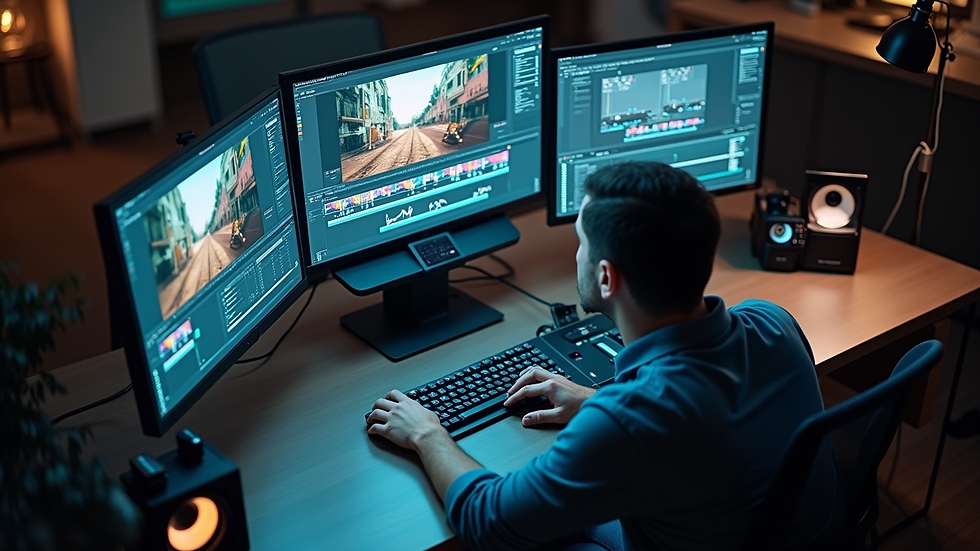
Embracing the video production workflow means embracing the art and science of storytelling through visuals. It’s a journey worth taking, and the results? Absolutely worth celebrating.


Comments